骨盤のゆがみの影響|戸田の整体院がセルフケアを解説
「整体 骨盤矯正 戸田」でお悩みの方へ。「最近腰が重い」「疲れが取れない」「左右の脚の長さが違う気がする」——こうしたお悩みの背景に、骨盤のゆがみが関係していることがあります。戸田の整体院 癒楽里〜ゆらり〜にも、骨盤矯正に関するご相談が多く寄せられます。今回は、骨盤のゆがみが体に与える影響と、整体院でのアプローチについてわかりやすく解説します。
骨盤のゆがみが体に与える影響|整体 骨盤矯正 戸田の整体師が解説

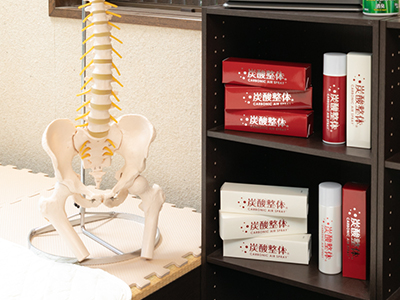
骨盤は背骨・股関節・下半身をつなぐ土台となる骨格です。この土台がゆがむと、上半身・下半身のバランスが崩れ、さまざまな不調が連鎖的に起こりやすくなります。
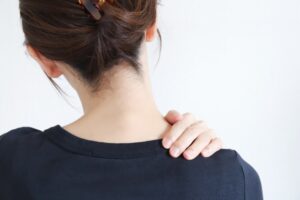
代表的な影響として、慢性的な腰痛・肩こりがあります。骨盤が傾くことで背骨のカーブが乱れ、腰や肩に余分な負担がかかります。また、脚の長さの左右差や歩き方のクセも、骨盤のゆがみによって生じることがあります。さらに、内臓の位置がずれることで、便秘・冷え・むくみなどの不調につながることも指摘されています。
ただし、「骨盤のゆがみ」という言葉はさまざまな意味で使われており、医学的な診断は整形外科などの医療機関で行う必要があります。痛みやしびれが強い場合は、まず医療機関を受診することをお勧めします。
骨盤ゆがみのセルフチェック|整体 骨盤矯正 戸田
以下の項目に当てはまるものがあれば、骨盤のバランスが乱れているサインかもしれません。
□ ズボンの裾が左右で長さが違う
脚の長さの見かけ上の差は、骨盤の傾きによって生じることがあります。
□ 靴の底の減り方が左右で異なる
歩き方のクセや重心のかかり方の偏りを示すことがあります。
□ 仰向けに寝ると、つま先の向きが左右で違う
股関節や骨盤の回旋パターンに左右差がある可能性があります。
□ 片側だけ腰・お尻が張る
骨盤周囲の筋肉バランスの乱れが影響していることがあります。
心当たりがある方は、整体院でのチェックを受けてみることをお勧めします。
整体院でのアプローチ
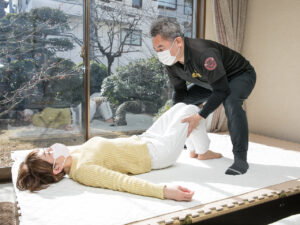
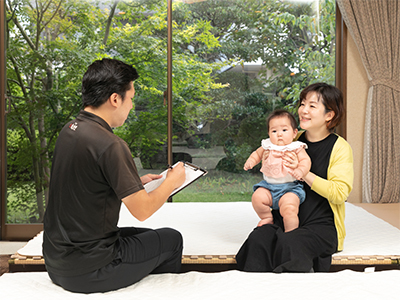
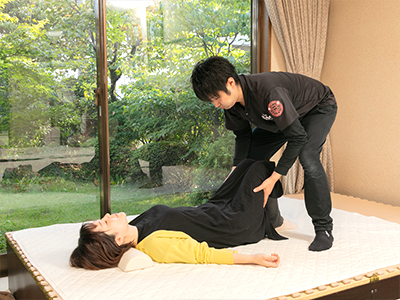
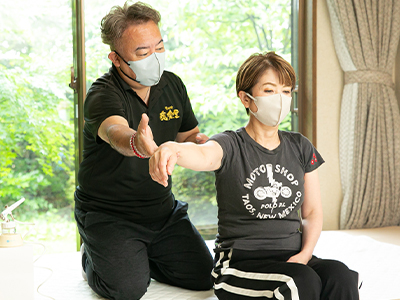
癒楽里〜ゆらり〜戸田院では、骨盤・背骨・股関節のバランスを総合的に確認しながら、一人ひとりの状態に合わせた施術を行っています。また、日常生活でのクセや座り方・立ち方のアドバイスも行っています。
厚生労働省では、腰痛の予防と対処に関する情報を公開しています:厚生労働省
骨盤矯正や腰回りの不調でお悩みの方は、ぜひ一度ご相談ください。戸田の整体コラム一覧もあわせてご覧いただけます。初回のご相談も歓迎しています。
FAQ for English Speakers: Pelvic Alignment and Seitai in Toda
What is pelvic misalignment and how does it affect the body?
The pelvis is the foundation that connects the spine, hips, and lower body. When it is misaligned, the balance of the entire body is affected. Furthermore, the spine must compensate, which adds strain to the back and shoulders. As a result, chronic lower back pain and shoulder tension are common outcomes. Moreover, the apparent difference in leg length can develop from pelvic imbalance. Consequently, walking patterns and posture are also affected over time. In addition, some people experience digestive discomfort or circulation issues as secondary effects. Therefore, addressing pelvic alignment early can have wide-ranging benefits.
What causes pelvic misalignment in daily life?
Prolonged sitting is one of the most common causes of pelvic imbalance. Crossing the legs, slouching, or leaning to one side creates asymmetrical pressure. Furthermore, carrying bags on the same shoulder repeatedly tilts the pelvis over time. Weak core and gluteal muscles also fail to support the pelvis adequately. Moreover, poor posture during sleep can reinforce existing imbalances. Therefore, daily habits have a significant cumulative effect on pelvic position. In addition, previous injuries and muscle tension patterns contribute to misalignment. Consequently, a multi-faceted approach to correction is usually most effective.
What self-care habits help maintain pelvic balance?
Sitting with both feet flat on the floor helps distribute weight evenly. Avoiding habitual leg crossing is also an important first step. Furthermore, stretching the hip flexors and glutes regularly reduces muscular tension around the pelvis. Core strengthening exercises help stabilize the pelvis from the inside. Meanwhile, sleeping on your back with a pillow under the knees reduces pelvic strain at night. As a result, consistent self-care can gradually improve alignment. In addition, being mindful of posture while walking and standing makes a real difference. Consequently, small daily changes accumulate into meaningful improvement over time.
How does therapy support pelvic correction?
Seitai therapy assesses the balance of the pelvis, spine, and hip joints together. Therefore, it addresses the root cause rather than just the area of pain. Furthermore, soft tissue work around the hips and lower back relaxes muscles that pull the pelvis out of alignment. As a result, the body can return to a more balanced position more easily. In addition, therapists provide personalized advice on posture and movement habits. However, if you have severe pain or nerve symptoms, medical evaluation should come first. Moreover, care and orthopedic treatment can complement each other effectively. Overall, combining professional care with daily self-care yields the best long-term results.
- 施術歴15年/のべ70,000人以上の施術実績
- 整体師認定資格 上級取得/炭酸整体協会 創業メンバー
- 書籍『全国から選ばれし12名のゴッドハンドを持つ治療家たち』(Rashisa出版)掲載
- プロサッカー選手・元なでしこジャパン選手など多数のアスリート施術実績